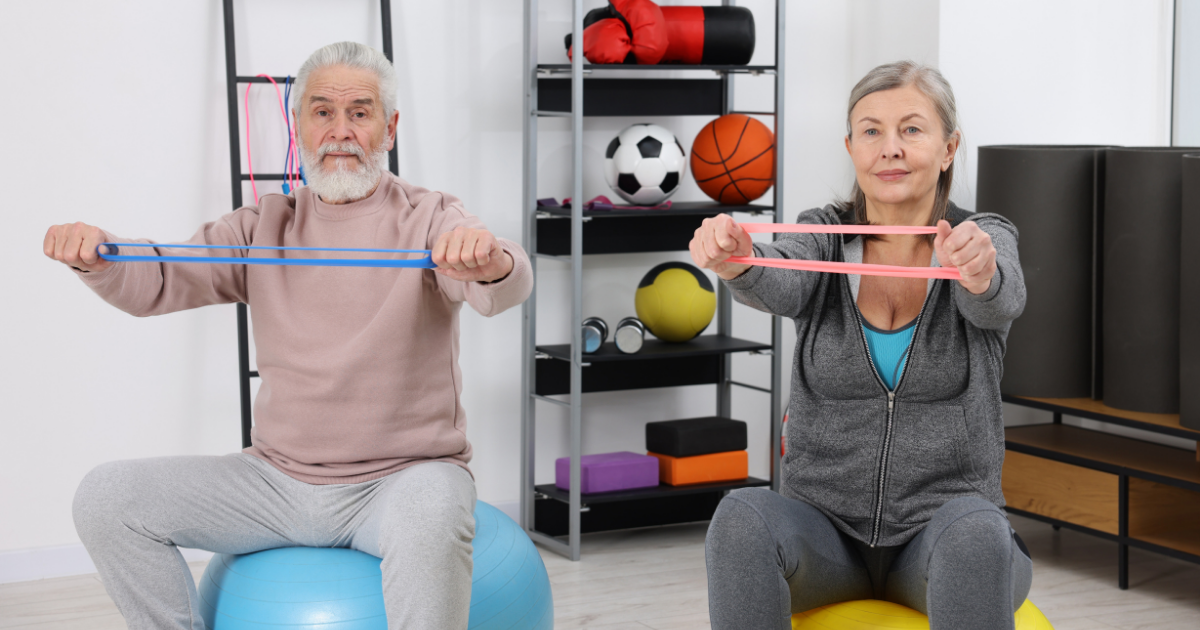
Staying physically active is one of the most important things older Australians can do for their health, independence, and quality of life. Yet many seniors and their families believe that aging means giving up physical activity. Nothing could be further from the truth! At Able Nursing Care, we've seen firsthand how regular, appropriate exercise transforms lives - improving mobility, mood, social connections, and overall wellbeing.
This comprehensive guide provides evidence-based information about physical exercise for Australian seniors, practical advice for getting started safely, and inspiring stories of people who've embraced active aging.
Why Physical Exercise Matters More as We Age
The Australian Government's Physical Activity and Sedentary Behaviour Guidelines recommend that adults aged 65 and over accumulate at least 30 minutes of moderate-intensity physical activity on most, preferably all, days. This isn't arbitrary - the benefits of regular exercise for older adults are remarkable:
Physical Health Benefits:
- Reduces risk of falls by up to 30% (the leading cause of injury in older Australians)
- Improves balance, strength, and flexibility
- Maintains bone density, reducing osteoporosis risk
- Supports cardiovascular health and blood pressure management
- Helps manage chronic conditions like diabetes, arthritis, and heart disease
- Improves sleep quality
- Enhances immune function
- Maintains healthy weight
Mental Health Benefits:
- Reduces depression and anxiety symptoms by up to 50%
- Improves cognitive function and may reduce dementia risk
- Boosts mood through endorphin release
- Enhances self-confidence and self-esteem
- Provides sense of purpose and achievement
- Reduces stress and promotes relaxation
Social Benefits:
- Opportunities to meet people and make friends
- Group activities combat isolation and loneliness
- Shared experiences create community
- Intergenerational connections through activities
- Structured routine and regular social contact
Independence and Quality of Life:
- Maintains ability to perform daily activities independently
- Enables continued participation in hobbies and interests
- Supports continued driving and mobility in the community
- Delays need for high-level care
- Improves overall quality of life and life satisfaction
The Four Types of Exercise for Seniors
A well-rounded exercise program includes four types of activity. You don't need to do all four every day, but incorporating each type throughout the week provides comprehensive benefits.
1. Aerobic (Endurance) Exercise
This is activity that gets your heart pumping and makes you breathe harder. It improves cardiovascular fitness and stamina.
Examples:
- Walking (the most accessible option!)
- Swimming or water aerobics
- Cycling or stationary bike
- Dancing
- Gentle jogging (if appropriate)
- Gardening and yard work
- Chair-based cardio exercises
Getting Started:
Begin with just 10 minutes and gradually build up to 30 minutes most days. Break it into smaller chunks if needed - three 10-minute walks count just as much as one 30-minute walk!
At Able Nursing Care, we often accompany clients on walks, making it both exercise and social time. We've seen people progress from walking to the mailbox to completing 30-minute neighborhood walks!
2. Strength Training
Building and maintaining muscle mass is crucial for independence. After age 50, adults lose 1-2% of muscle mass per year if inactive - but strength training can reverse this!
Examples:
- Resistance bands exercises
- Light weights or filled water bottles
- Body weight exercises (chair squats, wall push-ups)
- Lifting shopping bags
- Gardening (digging, lifting)
- Tai Chi (uses body weight for resistance)
Getting Started:
Aim for strength exercises twice per week, working major muscle groups (legs, arms, back, core). Start with light resistance and gradually increase. Rest days between sessions are important for muscle recovery.
Safety Note: Proper form is more important than heavy weights. Consider working with a physiotherapist initially to learn correct technique.
3. Flexibility Exercise
Stretching maintains range of motion, reduces stiffness, and helps prevent injury. It also feels wonderful!
Examples:
- Gentle stretching routine
- Yoga (modified for seniors)
- Tai Chi
- Pilates (modified versions)
- Regular reaching and bending activities
Getting Started:
Stretch major muscle groups for 10-15 minutes most days. Hold each stretch for 20-30 seconds without bouncing. Stretching after activity when muscles are warm is most effective.
At Able Nursing Care, we incorporate gentle stretching into daily routines - reaching up to put away dishes, bending to tie shoes, rotating shoulders while seated. Exercise doesn't have to be formal!
4. Balance Exercise
Balance training is crucial for fall prevention - and it's never too late to improve balance!
Examples:
- Standing on one foot (hold onto something initially)
- Heel-to-toe walking
- Tai Chi (excellent for balance!)
- Yoga balance poses (modified with support)
- Standing from sitting without using arms
- Walking backwards or sideways
Getting Started:
Practice balance exercises daily, always near something stable to hold if needed. Gradually challenge yourself by reducing support as balance improves.
Safety First: Always practice balance exercises near a sturdy support (wall, counter, solid chair) that you can grab if needed.
Safe Exercise Guidelines for Older Australians
Safety is paramount. Follow these guidelines to exercise safely and effectively:
Before Starting:
- Consult your GP before beginning any new exercise program
- Discuss your plans with your physiotherapist or exercise physiologist
- Consider a fitness assessment to establish baseline and set appropriate goals
- Inform exercise instructors about any health conditions or limitations
- Start slowly and build up gradually
Warning Signs to Stop:
Stop exercising immediately and seek medical attention if you experience:
- Chest pain or pressure
- Severe shortness of breath
- Dizziness or lightheadedness
- Irregular heartbeat
- Nausea
- Pain in joints or muscles (beyond normal muscle fatigue)
General Safety Tips:
- Warm up for 5-10 minutes before exercise
- Cool down and stretch after exercise
- Stay hydrated - drink water before, during, and after activity
- Wear appropriate, supportive footwear
- Exercise in safe environments (good lighting, non-slip surfaces)
- Exercise with others when possible for safety and motivation
- Listen to your body - pain is a warning sign
- Rest between strength training sessions
- Adapt exercises to your ability level
Weather Considerations in Australia:
- Avoid exercising outdoors in extreme heat (over 30°C)
- Exercise early morning or late afternoon in summer
- Wear sun protection (hat, sunscreen, sunglasses)
- Stay hydrated in hot weather
- Exercise indoors during heat waves
- Dress appropriately for cooler weather
Overcoming Common Barriers to Exercise
We hear many reasons why older adults avoid exercise. Here's how to overcome common barriers:
"I'm too old to start exercising"
Reality: It's never too late! Research shows even people in their 90s can build strength and improve fitness. Start where you are, with what you can do.
"I have too many health conditions"
Reality: Exercise benefits most chronic conditions. Work with healthcare professionals to find safe, appropriate activities. Many conditions improve with exercise!
"I'm afraid of falling"
Reality: Appropriate exercise, especially balance and strength training, actually reduces fall risk. Start with supported activities like chair exercises or water aerobics.
"I don't have the energy"
Reality: Regular exercise actually increases energy levels. Start small - even 5 minutes counts. You'll likely find energy improves with regular activity.
"I can't afford a gym membership"
Reality: Walking is free! So are many YouTube exercise videos, library exercise DVDs, community centre programs, and at-home exercises.
"I feel embarrassed exercising"
Reality: Many programs are specifically for seniors with similar fitness levels. Or exercise at home. No one is judging you - they're focused on their own workout!
"I don't have time"
Reality: Exercise doesn't require hours. Three 10-minute sessions count! Incorporate activity into daily routines.
Exercise Options in Australia for Seniors
Australia offers many exercise opportunities for older adults:
Community Programs:
- Council-run seniors exercise classes (often free or low-cost)
- Community centre fitness programs
- Walking groups and Parkrun (free, timed 5km walks every Saturday)
- Men's Sheds (often include physical activities)
- Seniors recreation centres
Pool Programs:
- Hydrotherapy classes
- Aqua aerobics
- Lap swimming
- Water walking groups
Specialized Classes:
- Tai Chi (many councils offer free classes)
- Gentle yoga for seniors
- Chair-based exercise classes
- Falls prevention programs
- Dance classes (ballroom, line dancing)
Home-Based Options:
- ABC TV's "Yoga for Everyone"
- YouTube senior exercise channels
- DVD exercise programs (library has many)
- Online live-streamed classes
- Walking in your neighborhood
NDIS and Home Care Package Funded Options:
- Physiotherapy sessions
- Exercise physiology appointments
- Allied health exercise programs
- Gym or pool memberships (if approved in plan)
At Able Nursing Care, we can:
- Accompany clients to exercise classes or groups
- Support home exercise programs
- Coordinate with physiotherapists
- Incorporate physical activity into care routines
- Provide motivation and encouragement
- Monitor safety during activities
Inspiring Real-Life Examples
At Able Nursing Care, we've witnessed countless inspiring transformations:
Margaret's Story:
At 82, Margaret hadn't exercised in decades after a stroke left her with reduced mobility. She started with chair exercises, just 5 minutes a day. Six months later, she was walking 20 minutes daily, attending weekly aqua aerobics, and had the strength and confidence to travel interstate to visit her grandchildren - something she'd thought impossible.
Tom's Journey:
Tom, 78, was depressed after his wife passed away. His daughter encouraged him to join a Men's Shed, where he took up woodworking. The physical activity of working with timber, combined with social connection, transformed his mental health. He's now leading woodworking projects and has made lasting friendships.
The Thursday Walking Group:
We support several clients who participate in a neighborhood walking group that meets every Thursday morning. What started as exercise evolved into a social highlight of the week, with the group having coffee together afterward. They've built genuine friendships and look forward to their weekly walk rain or shine!
Getting Started: Your Action Plan
Ready to embrace physical activity? Here's your practical action plan:
Week 1-2: Preparation and Assessment
1. Book a GP appointment to discuss exercise plans
2. Consider a physiotherapy assessment
3. Identify activities that interest you
4. Choose realistic starting goals
5. Gather any needed equipment (walking shoes, water bottle)
6. Find your motivation (write down your "why")
Week 3-4: Starting Small
1. Begin with 10 minutes of activity you enjoy
2. Focus on consistency (frequency) rather than intensity
3. Track your activities (simple diary or calendar ticks)
4. Notice how you feel afterward (usually good!)
5. Gradually add time or frequency
Month 2-3: Building the Habit
1. Increase duration toward 30 minutes most days
2. Add variety to maintain interest
3. Include different types of exercise
4. Join a group or find an exercise buddy
5. Celebrate your progress!
Beyond 3 Months: Maintaining Long-Term
1. Set new goals as fitness improves
2. Try new activities to stay engaged
3. Overcome setbacks without giving up
4. Make physical activity part of your identity
5. Inspire others by your example!
How Able Nursing Care Supports Active Aging
We believe exercise is medicine. Our support includes:
- Accompanying clients to exercise activities
- Supporting home exercise programs
- Coordinating with physiotherapists and exercise physiologists
- Providing motivation and encouragement
- Monitoring safety during activities
- Incorporating movement into daily care routines
- Celebrating achievements and progress
- Connecting clients with community exercise programs
Final Thoughts: Move More, Live Better
The evidence is clear: physical activity is one of the most powerful tools we have for healthy aging. It prevents disease, maintains independence, improves mental health, and enhances quality of life. The best exercise is the one you'll actually do - whether that's walking, swimming, dancing, gardening, or tai chi.
Remember these key messages:
- It's never too late to start
- Every bit of movement counts
- Something is always better than nothing
- Exercise should be enjoyable
- Progress matters more than perfection
- Safety first, always
- You don't have to do it alone
Start today. Take one step toward a more active, healthier, happier life. Your future self will thank you.
At Able Nursing Care, we're here to support your active aging journey. Whether you need someone to walk with you, help you get to exercise classes, or develop a safe home exercise routine, we're here to help. Because staying active isn't just about adding years to your life - it's about adding life to your years.
Ready to get moving? Contact Able Nursing Care to discuss how we can support your physical activity goals. Let's make active aging a reality together.